
Surviving a Bear Encounter: What NOT to Do When Hiking or Camping
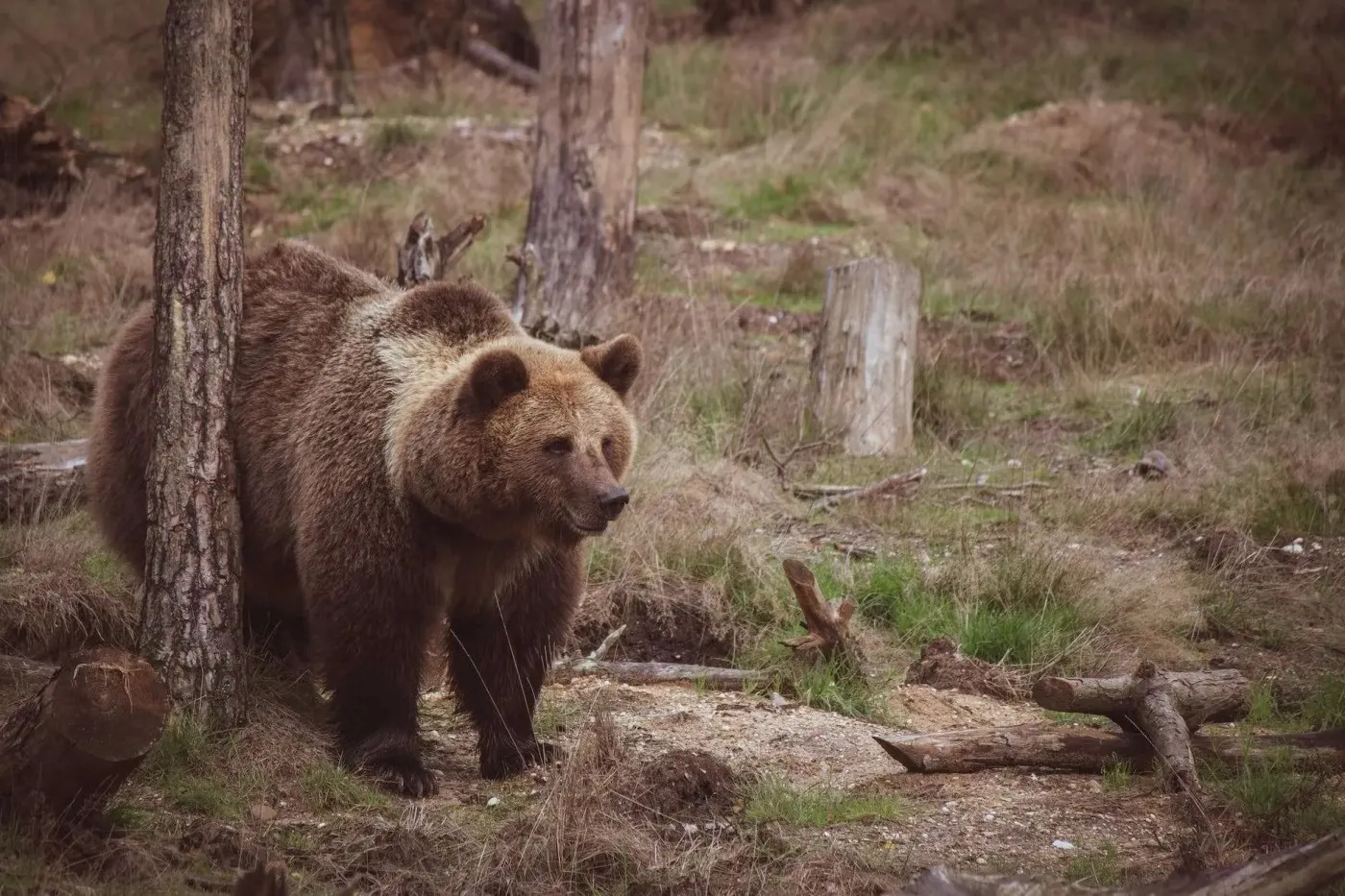
Encountering a bear while hiking or camping can be a terrifying experience, but it’s important to remember that bears are usually not looking for a fight. Most bear encounters end without incident, and the best way to avoid a dangerous encounter is to take precautions and be prepared.
What to Do:
Here are some tips for what to do if you encounter a bear while hiking or camping.
Stay Calm and Assess the Situation
If you encounter a bear, the first thing to do is to stay calm and assess the situation. Do not panic or run, as this can trigger the bear’s predatory instincts and cause it to chase you. Instead, stop and stand still, keeping your eyes on the bear. If the bear is far away, back away slowly and make yourself as small as possible so you stay out of his vision. If the bear is closer, talk to it in a calm, firm voice to let it know you are human.
While making loud noises can be useful in some situations, it’s important to use caution and not make sudden, startling noises that could startle or provoke the bear. It’s best to speak in a calm, firm voice and avoid sudden movements or loud shouts or screams that could be interpreted as aggressive behavior.
Determine the Type of Bear
It’s important to determine the type of bear you are dealing with, as different species of bears have different behaviors and reactions. In North America, the two most common species of bears are black bears and grizzly bears. Black bears are smaller and less aggressive than grizzly bears, and they are usually more afraid of humans. Grizzly bears, on the other hand, are larger and more aggressive, and they are more likely to attack if they feel threatened.
Make Yourself Look Bigger
If the bear is becoming aggressive it’s important to make yourself look bigger and more intimidating to the bear. This can be done by standing on your tiptoes, spreading your arms wide, and making loud noises. If you have a jacket or other item, hold it out in front of you to make yourself appear larger. While making yourself look bigger can be effective in deterring bears, it’s important to avoid making any sudden movements that could startle or provoke the bear. Instead, gradually raise your arms or use objects to make yourself appear larger, while also speaking in a calm, firm voice to let the bear know you are human.
Back Away Slowly
If the bear begins to approach you, it’s important to back away slowly and avoid direct eye contact. Do not turn your back on the bear, as this can be seen as a sign of weakness or aggression. Instead, keep your eyes on the bear and back away slowly, speaking to it in a calm, firm voice.
Use Bear Spray
If the bear continues to approach you and you have bear spray, use it to deter the bear. Bear spray is a form of pepper spray that is specifically designed to deter bears, and it can be very effective at stopping an aggressive bear. Bear spray should be used as a last resort, as it can also irritate the eyes and nose of humans if used in close proximity.
Seek Shelter
If the bear does not leave or continues to be aggressive, seek shelter in a nearby building or vehicle if possible. If you are in the wilderness, seek shelter in a tent or other enclosed space. Do not try to climb a tree, as bears are excellent climbers and can easily follow you.
What NOT to do:
Encountering a bear can be a scary experience, and it’s important to know what NOT to do in order to avoid escalating the situation.
Here are five things you should not do when encountering a bear:
- Do not run: Running can trigger a bear’s predatory instincts and cause it to chase you. Instead, stand your ground or back away slowly while facing the bear.
- Do not approach the bear: Bears are wild animals and should be given a wide berth. Approaching a bear can be seen as a threat and may cause the bear to become aggressive.
- Do not make direct eye contact: Direct eye contact can be seen as a sign of aggression in some animals, including bears. Instead, keep your eyes on the bear while avoiding direct eye contact.
- Do not make sudden loud noises: While making noise can be a useful way to alert bears to your presence, making loud, sudden noises can startle the bear and cause it to become aggressive.
- Do not throw food or objects at the bear: Throwing objects at a bear can be seen as a threat and may cause the bear to attack. It’s important to keep a safe distance from the bear and avoid any actions that may provoke it.
It’s important to stay calm and remember that most bear encounters end without incident. Avoid any actions that could be interpreted as aggressive or threatening, and prioritize your safety and the safety of those around you. By taking precautions and being prepared, you can reduce your risk of a dangerous encounter and increase your chances of staying safe in the wilderness.
About the author

Justin Dean
Justin is the founder of GA Survival and loves helping people get prepared for any scenario life throws at us. He believes nothing is more important than protecting and providing for your family. When he's not writing survival tips, he can be found playing with goats and chickens and raising 4 little farmhands with his wife in North Georgia.
More about GA Survival