
Homestead vs. Reality: How Realistic Is Survival in the Film?
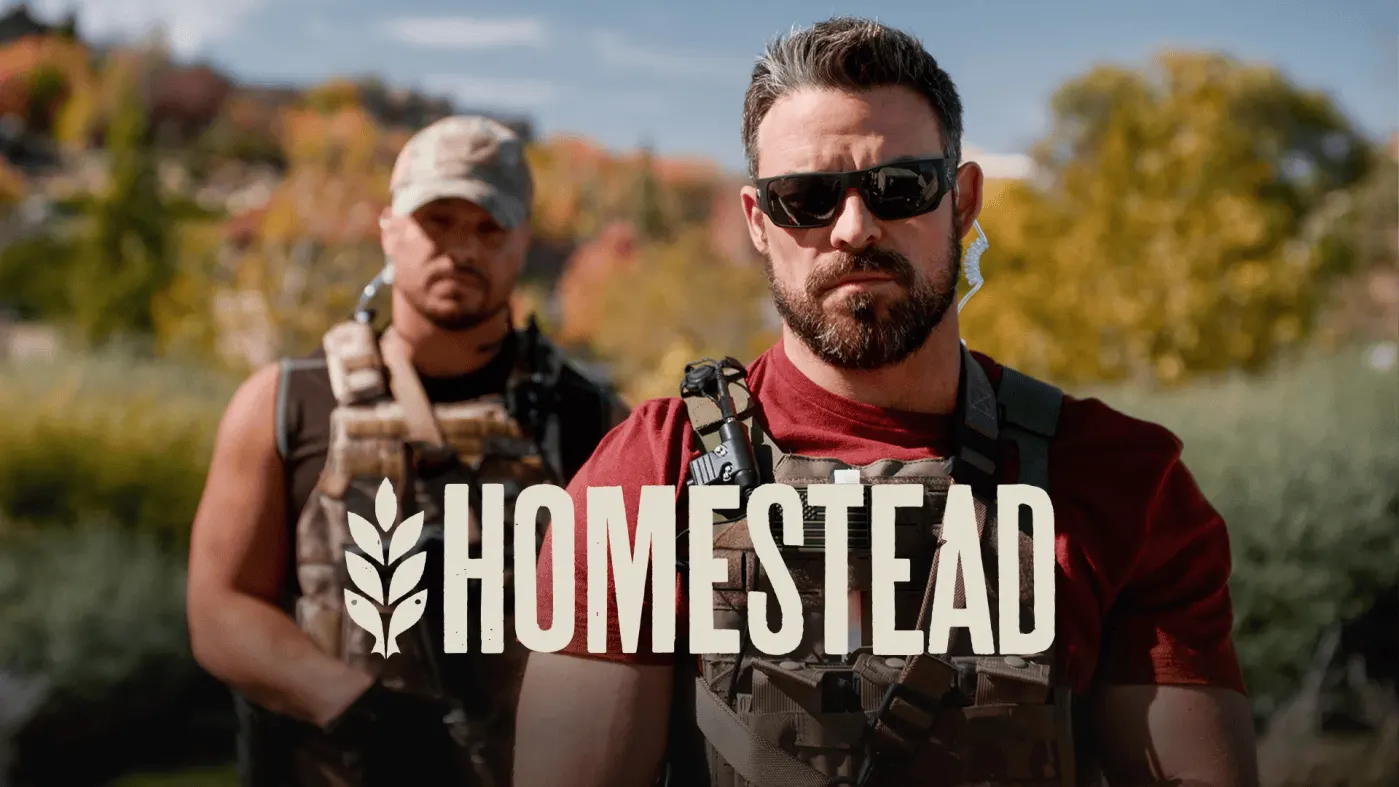
Angel Studios’ Homestead has struck a chord with audiences through its thrilling narrative and gritty depiction of survival. As the characters navigate a dystopian world, viewers are left wondering how much of what they see could work in real-life situations. Let’s break down the survival techniques depicted in Homestead and separate cinematic drama from actual preparedness.
The Survival Wins
- Bug Out Bags Done Right:
One of the most practical aspects of Homestead is its inclusion of bug out bags. These all-in-one kits provide characters with essential tools for sustenance and safety. From portable food to basic tools like knives and flashlights, Homestead correctly portrays the importance of having a grab-and-go solution for emergencies. This aligns closely with real-world survival advice—a well-prepared bug out bag can truly be a lifesaver. - Teamwork and Collaboration:
The film emphasizes the importance of working together in high-stress situations. Whether building shelters or scouting for resources, Homestead accurately showcases how pooling skills and strengths can increase the chances of survival. Real-world survival experts often stress that a group’s ability to cooperate can make or break their success in overcoming adversity. - Adaptability to Changing Conditions:
The characters are frequently forced to think on their feet. This adaptability mirrors the reality of survival—flexibility and problem-solving are key when plans inevitably go awry.
The Survival Shortcomings
- Lack of Firestarting Techniques:
While Homestead includes scenes where characters attempt to build fires, the methods shown lack depth and realism. For instance, in one scene, a character spends a considerable amount of time unsuccessfully rubbing sticks together, a technique that’s not only inefficient but also nearly impossible for most people without proper training. The film misses an opportunity to showcase realistic alternatives like using flint strikers, steel wool with a battery, or waterproof matches—tools that are readily available and highly effective in real-world scenarios. Including these practical approaches would have added credibility and actionable value to the narrative. In real-life situations, reliable tools like waterproof matches, lighters, and magnesium fire starters are essential. Simply rubbing sticks together, as shown in some scenes, is an overly romanticized and inefficient method for most people. - Overlooking Water Purification:
One glaring omission in Homestead is a consistent approach to water safety. The characters are seen drinking from streams and other natural sources without adequately addressing purification. In reality, untreated water can harbor harmful pathogens like Giardia, E. coli, or Cryptosporidium, leading to severe gastrointestinal illnesses. Simple yet effective tools like portable water filters, purification tablets, or even the practice of boiling water would have significantly reduced these risks and should have been included to reflect real-world survival strategies. The characters are seen drinking from streams and other natural sources without adequately addressing purification. In reality, untreated water can lead to serious illnesses. Simple tools like portable filters, purification tablets, or boiling water would be must-haves for real survivalists. - Unrealistic Physical Stamina:
The characters in Homestead frequently engage in high-intensity activities with minimal rest or sustenance. For instance, there is a scene where they sprint from a dangerous group for hours without pausing to hydrate or refuel. Another moment shows them hiking rugged terrain after days of limited food intake, an act that would likely result in severe fatigue or collapse in real life. Such portrayals gloss over the body’s need for consistent nutrition, hydration, and recovery time. In actual survival scenarios, ignoring these necessities would lead to dehydration, muscle failure, or even death, underscoring the importance of energy management. While this adds drama and tension, it’s not realistic for long-term survival. The human body requires regular hydration, nutrition, and rest to perform effectively. Ignoring these needs in a real emergency would lead to exhaustion or worse.
Government Conflicts and the Importance of Security
One of the more striking aspects of Homestead is the depiction of government forces attempting to seize supplies and food from the Homestead property. While dramatized, this scenario mirrors real-world concerns that arise during widespread crises. History has shown that in extreme emergencies, governments may prioritize resource redistribution for the collective good—sometimes at the expense of individual preparedness.
This underscores the need for securing your resources and maintaining vigilance, even against potential government intervention. Protecting your property and supplies doesn’t necessarily mean confrontation but rather strategic planning. Hiding caches of food and tools, establishing secure perimeters, and understanding your rights are all critical steps in safeguarding your preparations. Real-world survival isn’t just about weathering natural disasters but also being ready to navigate complex societal challenges, including the possibility of resource conflicts.
Bartering and Resource Economy
The movie features a subplot where characters trade goods to secure vital resources. This is a realistic portrayal of what might happen in a survival situation when traditional currency loses value. In such scenarios, having a stockpile of barterable items like canned goods, medical supplies, or tools can be a critical advantage. Learning how to negotiate and understand the value of items in a resource-based economy is another essential survival skill that the movie hints at but could explore further.
Mental and Emotional Strain in Survival Situations
Homestead touches on the emotional toll of surviving in a hostile environment, including moments of despair and conflict among the characters. This provides an opportunity to discuss the importance of mental resilience in real-life crises. Strategies like mindfulness, stress management, and maintaining morale through group support are critical for surviving extended emergencies. The movie highlights these challenges but could delve deeper into how individuals manage emotional strain under extreme conditions.
Role of Leadership and Decision-Making
The film highlights moments where leadership is either effective or lacking, significantly impacting group survival. Effective leadership in high-stress situations requires decisiveness, the ability to mediate conflicts, and maintaining group cohesion. Homestead provides examples of both strong and weak leadership, showcasing how these dynamics can influence survival outcomes. This is an important lesson for any group preparing for emergency scenarios.
Sustainability and Long-Term Planning
While the movie focuses on short-term survival, it hints at the challenges of sustaining a livelihood over time. This could transition into a discussion about renewable resources, gardening for food, and creating a self-sufficient lifestyle as part of preparedness. Establishing sustainable practices ensures that individuals or groups are not only surviving but thriving in prolonged crises.
The Ethics of Survival
Certain scenes in Homestead raise questions about ethical decision-making in life-or-death situations. For example, characters face dilemmas about whether to help strangers or preserve their own resources. These moments provide a springboard for discussing the moral complexities of survival—balancing compassion with practicality and ensuring that decisions are made thoughtfully in high-pressure situations.
Urban vs. Rural Survival Dynamics
The film’s rural setting influences the characters’ strategies and challenges. Expanding on this, you could contrast the survival tactics required in urban versus rural environments. Urban areas, with higher population density and limited green spaces, demand different approaches to resource gathering, escape routes, and safety compared to rural settings. Homestead effectively illustrates the advantages and challenges of rural survival, but this comparison would offer additional valuable insights.
Practical Demonstrations of Skills
Homestead showcases several survival situations, but it often skips over the “how-to” details that could educate viewers. For example, knot-tying is a vital skill for securing shelters or transporting supplies, yet the movie doesn’t explore it in-depth. Likewise, basic first aid—from treating minor cuts to addressing dehydration—is another area where the film could have offered practical demonstrations. Adding scenes or tutorials on camouflage techniques for hiding from enemies would have been valuable too. Viewers can take inspiration from these scenarios to practice these skills at home, using online tutorials or local survival workshops to gain hands-on experience.
Technological Tools in Survival
While Homestead leans heavily on traditional survival methods, it misses opportunities to highlight how modern technology could enhance survival chances. Devices like solar chargers for powering essential electronics, satellite phones for communication, or portable GPS devices for navigation could have been game-changers in several scenes. The balance between using modern conveniences and old-school survival techniques is crucial, as technology can bridge gaps while basic skills ensure preparedness when devices fail.
Missteps That Could Be Fatal
The movie depicts several actions that could lead to disaster in real-life survival scenarios. For example, the characters frequently underestimate weather changes, venturing out without proper clothing or preparation. Food rationing is another critical oversight; at times, characters consume resources without planning for the long-term needs of the group. Additionally, their lack of noise discipline while evading threats could easily give away their position to enemies or predators. Highlighting these missteps offers valuable lessons for viewers on what to avoid.
Lessons in Stealth and Evasion
Homestead includes tense moments where characters must avoid detection, but the tactics shown are often rudimentary. In real-life scenarios, effective stealth involves blending into the environment, minimizing sound, and planning escape routes in advance. Drawing comparisons to military or wilderness survival strategies could enhance understanding of how to evade threats successfully. For instance, using natural foliage for camouflage, traveling at night, and staying low to the ground are proven methods that could have been better illustrated in the film.
Post-Crisis Recovery Planning
The film focuses on immediate survival, but it barely touches on what happens after the crisis subsides. Post-crisis recovery is a critical phase that involves rebuilding communities, managing resources, and addressing psychological trauma. Establishing sustainable practices, such as gardening and renewable energy sources, ensures long-term stability. Additionally, fostering strong community networks can help individuals recover emotionally and rebuild their lives more effectively. By integrating these themes, Homestead could have painted a more holistic picture of survival.
Lessons for Real Life
While Homestead dramatizes survival for the sake of storytelling, it does provide valuable takeaways for preparedness:
- Preparation is Key: Having a bug out bag ready to go can make all the difference.
- Skills Matter: Learning basic survival skills, such as firestarting and water purification, is invaluable.
- Teamwork Saves Lives: Building a trusted network and working together is often more effective than going it alone.
Taking Action: Your Preparedness Plan
If Homestead inspired you to think about your own preparedness, now is the time to act. Start by assembling a bug out bag tailored to your family’s needs. Include essentials like non-perishable food, water purification tools, first aid supplies, and basic survival gear. And remember, it’s not just about having the tools but also knowing how to use them.
For a hassle-free solution, visit GASurvival.com to explore expertly curated bug out bags and survival kits. Be ready for whatever comes your way—because emergencies won’t wait.
About the author

Justin Dean
Justin is the founder of GA Survival and loves helping people get prepared for any scenario life throws at us. He believes nothing is more important than protecting and providing for your family. When he's not writing survival tips, he can be found playing with goats and chickens and raising 4 little farmhands with his wife in North Georgia.
More about GA Survival