
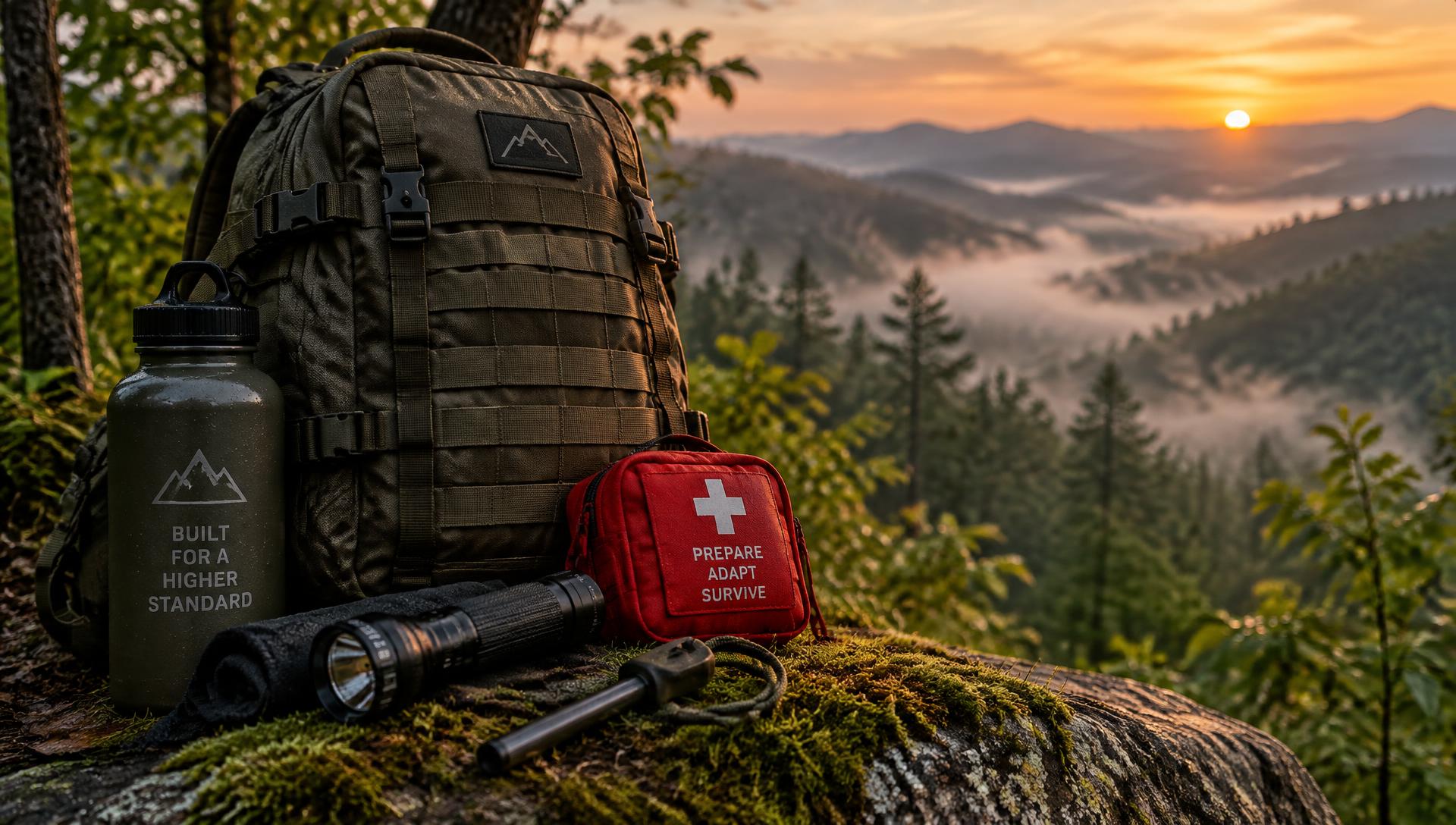
The ULTIMATE BUG-OUT BAG GUIDE
Learn how to build your survival bag and prepare for any emergency situation.
What is a Bug Out Bag?
A bug-out bag, also known as a 72-hour survival kit, a go-bag, or a “B.O.B.” is a collection of essential items and supplies that can help you survive for at least 72 hours in the event of an emergency or disaster.
These items are typically stored in a backpack or other portable container and can be quickly grabbed and taken with you if you need to evacuate your home or other location in a moment’s notice.
A bug-out bag can also be stored in your car, eliminating the need to grab it on the way out. This also ensures you have safety and survival supplies should you be trapped in your car or stranded.
What to include in a Bug-Out Bag
The contents of a bug-out bag will vary depending on individual needs and preferences, including the size of your family and unique medical needs, but generally, it should include basic supplies for food, water, power, shelter, safety, clothing, and communications.
Water: In an emergency, access to clean water may be limited, so it is important to have an emergency water filtration straw or water purification tablets on hand. You can also purchase water packets that have an incredibly long shelf-life and can be conveniently stored in your bag.
Food: Non-perishable, high-energy foods such as granola bars, energy bars, and trail mix are good choices. You can buy non-perishable food packaged for survival packs. It is also a good idea to include a camping stove and fuel for cooking.
Shelter: A tent, tarp, or another form of shelter is essential for protection from the elements. A sleeping bag and camping pad are also important for a comfortable and warm night’s sleep. Emergency blankets are a cheap and easy thing to keep in your bag but can make the difference between life and death if stuck in cold weather.
First-Aid Kit: A comprehensive first-aid kit is an absolute must-have. It should include bandages, antiseptic wipes, pain relievers, and other basic supplies.
Clothing: Extra clothing such as pants, shirts, and warm layers should be included. It is also important to pack a rain poncho or other waterproof gear in case of inclement weather.
Survival Tools: A multi-tool, a flashlight, a whistle, and a radio are all essential tools to have in an emergency. A small camping stove and fuel for cooking are also a good idea. Find all the survival tools you need here.
Personal Hygiene items: personal hygiene items are also important for maintaining a basic level of cleanliness and comfort. Wet wipes are great for keeping your hands and face clean or even for a quick shower if needed.
Cash: It is important to have cash in an emergency, as ATMs and banks may be closed or without power. We recommend keeping at least $300 in your bug-out bag.
Important documents: It is a good idea to have copies of important documents such as birth certificates, passports, and insurance papers in case of emergency.
Extra set of keys: One of the most overlooked items in an emergency is your keys. Imagine needing to run out of the house because of a fire emergency and not being able to use your car because your keys are inside. Keep a spare set in your bug-out bag, so you’re only grabbing one thing on the way out.
It’s important to note that having a bug-out bag is just one aspect of emergency preparedness. It’s also important to have a plan in place for how to use the items in your bag and where to go in case of an emergency.
Additionally, it’s recommended to review your bug-out bag regularly and update it as needed.
In summary, a bug-out bag is a collection of essential items that can help you survive for at least 72 hours (often more) in the event of an emergency or disaster. It should include items like water, food, first aid, shelter, clothing, tools, communication, and other essentials.
When to use a Bug-Out Bag
In preparing your bug-out bag, it’s important to think through the different scenarios you may find yourself in and what typical disasters and emergencies are common in your location.
Where would you go if you were forced to leave your home or if you had to evacuate far from the city? If you didn’t have access to your belongings and typical way of life for 3-4 days, what are the essential things you and your family would need to survive?
In most modern emergency situations, you would be able to stay with family or friends or get a hotel in another city. In some situations, you may have to stay in a storm shelter, or even in your car for extended periods of time. As a general rule of thumb, you should plan on enough supplies for 72 hours.
A bug-out bag is essential to prepare for:
- Power Outage
- Water Shortage
- Home Fire
- Natural Disasters such as an earthquake, flooding, lightning strike, major storm
- Pandemics or Government Mandated Shutdowns
- Severe Weather such as hurricanes, winter storms, tornadoes, and tropical storms
Types of Bug-Out Bags
There are several types of bug-out bags, each designed for specific purposes and scenarios. Some of the most common types include:
Basic Bug-Out Bag: This type of bag is designed for a short-term emergency and typically contains essential items such as food, water, clothing, and basic first aid supplies.
72-Hour Bug-Out Bag: This type of bag is designed to provide for your needs for up to 72 hours. It contains the same items as a basic bug-out bag but with more supplies to last for longer.
Everyday Carry (EDC) Bag: This is a smaller bag that you would carry with you every day, and keep in addition to a bug-out bag that is stored at home or in a vehicle. The Everyday Carry Bug-Out Bag should include items that would help you in an emergency that would only last a few hours, up to 12 hours. Say you’re out an about and there’s an attack or emergency situation that thwarts you from getting home for a few hours. Things like a first-aid kit, extra money, flashlight, and a multi-tool would be must-haves in an EDC bag.
Vehicle/Auto Bug-Out Bag: This type of bag is designed to be kept in a vehicle and contains items such as a basic tool kit, road flares, jumper cables, a portable air compressor, blankets for warmth, and more. Shop auto survival kits.
Tactical Bug-Out Bag: This type of bag is designed for military or law enforcement use and includes items such as a tactical vest, a sidearm, and extra ammunition.
Bug-Out Bag for Children: This type of bag is designed for children and contains items such as a small first aid kit, a stuffed animal, and age-appropriate snacks.
Bug-Out Bag for Pets: This type of bag is designed for pets and contains items such as food, water, and a leash.
Urban Bug-Out Bag: This type of bag is designed for urban environments and contains items such as a gas mask, a folding shovel, and a pry bar.
Wilderness Bug-Out Bag: This type of bag is designed for wilderness environments and contains items such as a camping stove, a hatchet, and a compass.
It’s important to note that the contents of a bug-out bag may vary depending on the individual’s needs and preferences and the type of emergency or disaster that you may face.
The ideal bug-out bag is customized to your needs and will be a combination of all the above.
Where to buy bug-out bags and supplies
You don’t need a special type of bag to use as a bug-out bag. Sometimes even a rolling suitcase can be very effective. However, there are advantages to using a tactical bag that has pockets and a molle system to keep things tidy and accessible.
There are also many ready-made bug-out bags, which are tactical bags or backpacks that come with all the supplies you need. This makes it nice and easy to get you started and removes a lot of the pain in finding the right supplies yourself.
How much does a bug-out bag cost?
In order to fill a bug-out bag with supplies to keep you safe and preppared for 72 hours, expect to pay anywhere from $99 to $250 or more. The cost depends on the types of supplies, as well as how many people you are providing for. Tools and technology can increase the price.
Overall, it’s a small price to pay to be prepared when you need it.
As you build your bug-out bag or survival pack, Georgia Survival is here to help.
Keep reading

Discover the Joy of Outdoor Camping and Adventure
Step into the great outdoors and discover the magic of nature with the Outdoor Camping & Adventure Planner. From setting goals to capturing memories, this free planner simplifies every step of your journey, making your adventures more organized, meaningful, and unforgettable. Download it today and start planning your next escape into the wild!
Read more →
Homestead vs. Reality: How Realistic Is Survival in the Film?
Angel Studios’ Homestead captivates audiences with its intense survival narrative while showcasing both effective and flawed survival techniques. The film accurately emphasizes teamwork and bug out bags but falls short in portraying realistic fire-starting and water purification methods. Overall, it offers valuable lessons in preparedness and the importance of adaptable survival strategies.
Read more →
Survival and Preparedness: Lessons from Angel Studios’ “Homestead”
Angel Studios’ film, Homestead, explores themes of survival, resilience, and preparedness in a dystopian setting. It emphasizes the importance of “bug out bags” for readiness during emergencies. While portraying teamwork and situational awareness, it also highlights the need for practical survival skills, like firestarting and water purification, showcasing the necessity of being prepared.
Read more →Join our BUG OUT Community
Join our free community of survival enthusiasts on Facebook. Share tips, review gear, and learn from others who are looking to plan ahead and prepare just like you.
JOIN GROUP