
What is Situational Awareness?
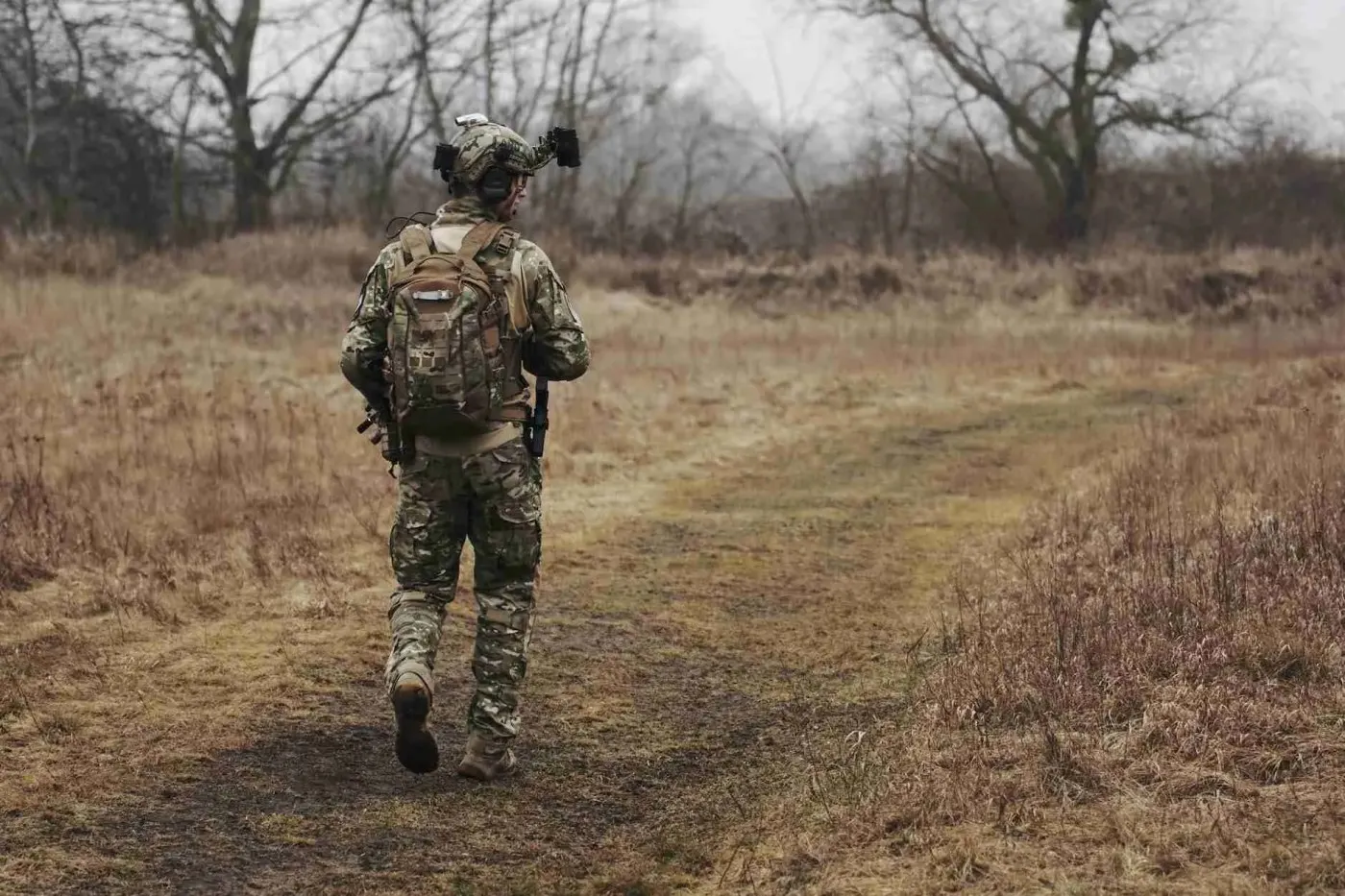
Situational awareness is the ability to understand the current situation in a given environment and to anticipate how it may change in the future. It is the recognition of where you are and what is going on around you, allowing you to be more alert and informed so you can make better decisions. Situational awareness is essential for safety and success in a variety of settings, including the workplace, on the road, and in emergency situations.
In the workplace, situational awareness can help employees avoid accidents and injuries by identifying potential hazards before they become a problem. For example, a construction worker who is aware of the movement of heavy equipment on a job site will be able to move out of the way before being struck. Similarly, a healthcare worker who is aware of the location of sharps and hazardous materials will be less likely to be injured by them.
On the road, situational awareness is critical for safe driving. Drivers who are aware of their surroundings are less likely to get into an accident. They are more likely to notice potential hazards, such as other cars, pedestrians, and roadwork, and take appropriate action to avoid them. Additionally, they can also anticipate other drivers’ actions and adjust accordingly, which can prevent collisions.
In emergency situations, situational awareness can save lives. For example, in a fire, people who are aware of the location of exits and the direction of the smoke will be more likely to evacuate safely. Similarly, in a natural disaster, people who are aware of the location of shelters or safe zones will be more likely to reach them in time.
Situational awareness is a key component of survival and emergency preparedness. In an emergency situation, the ability to understand the current situation and anticipate how it may change in the future can mean the difference between life and death.
When it comes to survival, situational awareness can help individuals identify potential hazards and make informed decisions about how to stay safe. For example, in a wilderness setting, a person who is aware of their surroundings and the weather conditions will be better equipped to find shelter, avoid dangerous animals, and navigate to safety. In an urban disaster scenario, situational awareness can help people identify the best evacuation routes and avoid dangerous areas.
In addition to identifying hazards, situational awareness also allows individuals to take advantage of opportunities that may present themselves during an emergency. For example, if a person is aware of the location of a nearby water source in a survival situation, they will be able to access it and stay hydrated. Similarly, if a person is aware of the location of a first aid kit in an emergency, they will be able to access it and provide medical assistance to those who need it.
For emergency preparedness, situational awareness also means being prepared for different types of emergency scenarios. This includes having emergency supplies, a communication plan and knowing the emergency protocol of the place you are in. It also means practicing emergency drills and staying informed about potential hazards and emergency alerts in your area.
Overall, situational awareness is a critical skill for survival and emergency preparedness. By staying aware of your surroundings and being prepared for different types of emergency scenarios, you can increase your chances of staying safe and making it through an emergency situation.
About the author

Justin Dean
Justin is the founder of GA Survival and loves helping people get prepared for any scenario life throws at us. He believes nothing is more important than protecting and providing for your family. When he's not writing survival tips, he can be found playing with goats and chickens and raising 4 little farmhands with his wife in North Georgia.
More about GA Survival