
Surviving Extreme Weather Conditions: Heat Waves, Cold Snaps, and Everything in Between
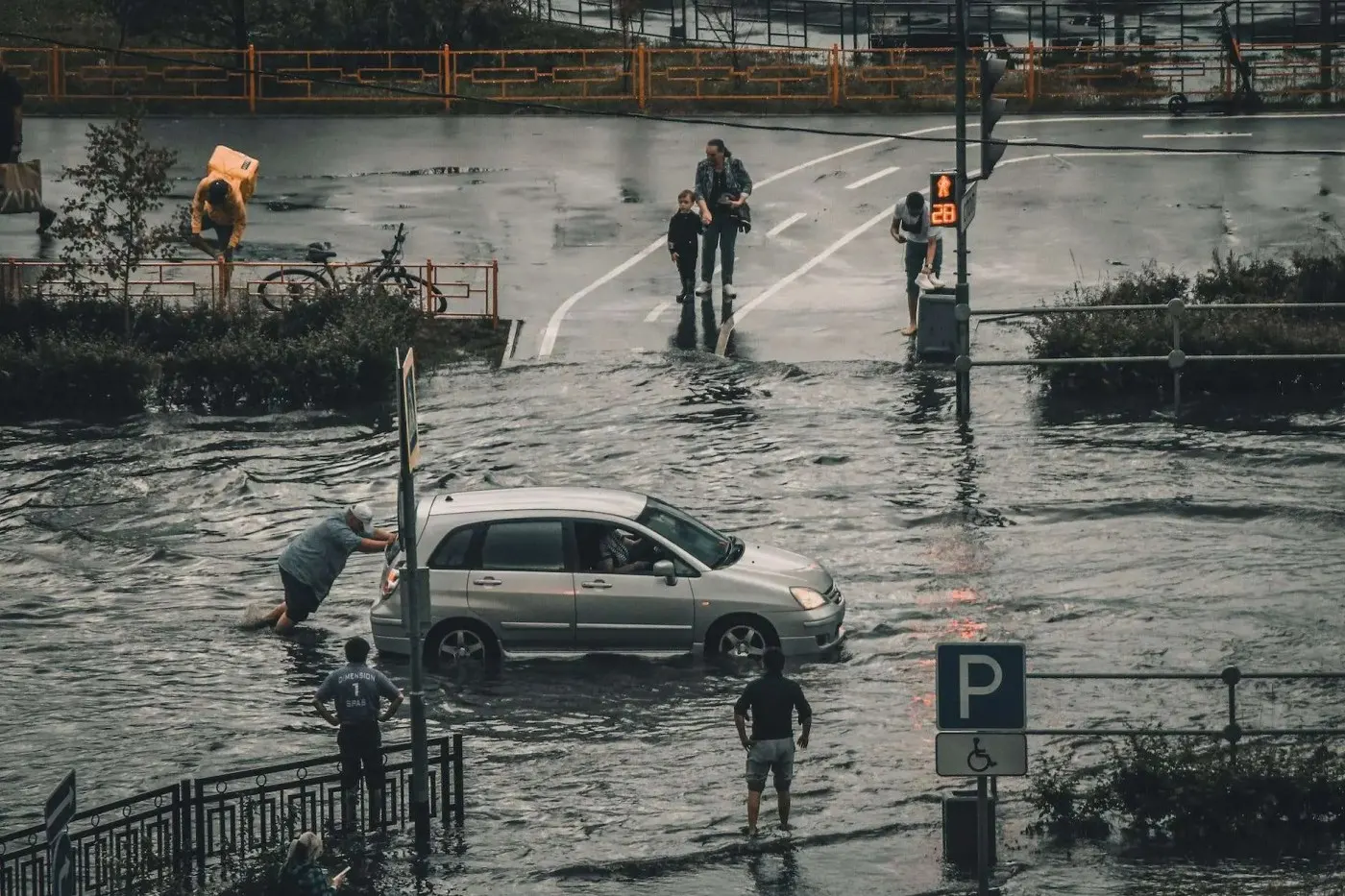
Extreme weather conditions can be a source of danger and inconvenience for families. Heatwaves, cold snaps, hurricanes, and other extreme weather events can cause property damage, power outages, and even injuries or fatalities. However, with some preparation and common sense, you can increase your chances of surviving extreme weather and minimizing its impact on your daily life. In this article, we’ll cover some practical survival tips for different weather conditions, focusing on the needs of the average family.
Heatwaves: Staying Cool and Hydrated
Heatwaves are becoming more frequent and severe in many parts of the world, with temperatures reaching dangerous levels for vulnerable populations such as children, seniors, and people with chronic health conditions. To survive a heatwave, you need to focus on staying cool and hydrated while minimizing your exposure to the sun and hot air.
Here are some tips for hot weather:
- Stay indoors during the hottest hours: If possible, avoid going outside between 10 am and 4 pm, when the sun is at its peak. If you need to go out, wear loose, light-colored clothing, a hat, and sunglasses, and use sunscreen with at least SPF 30.
- Use air conditioning or fans: If you have air conditioning, make sure it’s working properly and set to a comfortable temperature. If you don’t have air conditioning, use fans to circulate the air and create a breeze. You can also use ice packs or wet towels to cool down your body.
- Drink plenty of water: Dehydration is a common and dangerous consequence of heat waves, so make sure you drink at least 8 glasses of water per day and more if you are sweating or doing physical activity. Avoid alcohol and caffeine, which can dehydrate you even more.
- Eat light and refreshing meals: Heavy or spicy meals can increase your body temperature and make you feel more uncomfortable. Instead, opt for light and refreshing foods such as salads, fruits, and smoothies. You can also freeze fruits and make popsicles or slushies for a fun treat.
- Check on your neighbors and pets: Elderly or disabled neighbors, as well as pets, are more vulnerable to heat-related illnesses, so make sure they have access to water, shade, and cool air. If you have to leave your pet at home, make sure you don’t leave them in a parked car, which can become a death trap in minutes.
Cold Snaps: Staying Warm and Safe
Cold snaps can also pose a threat to families, especially those who are not used to or prepared for freezing temperatures, snow, and ice. To survive a cold snap, you need to focus on staying warm and safe while minimizing your exposure to cold and slippery conditions.
Here are some tips for cold weather:
- Wear warm and waterproof clothing: Dress in layers, starting with a thermal or wool base layer, followed by a fleece or down mid-layer, and a waterproof and windproof outer layer. Wear gloves, hats, and scarves to protect your extremities from frostbite and hypothermia.
- Heat your home safely: If you use space heaters or fireplaces to heat your home, make sure you follow the manufacturer’s instructions and keep them away from flammable materials. Never use propane or charcoal heaters indoors, as they can release toxic fumes and cause fires or explosions.
- Prevent frozen pipes: If the temperature drops below freezing, your pipes can freeze and burst, causing water damage and flooding. To prevent this, insulate your pipes, keep your faucets dripping, and open your cabinet doors to allow warm air to circulate around your pipes.
- Clear snow and ice from your walkways and car: Snow and ice can make your outdoor activities more difficult and hazardous. Shovel your walkways and driveway as soon as possible after a snowstorm, and sprinkle salt or sand to prevent slips and falls. Clear the snow from your car’s windshield, roof, and lights before driving, and use winter tires if possible.
- Prepare an emergency kit: In case of power outages, road closures, or other emergencies, you should have a kit that includes blankets, flashlights, batteries, non-perishable food, water, and a first-aid kit. Make sure your kit is easily accessible and that everyone in your family knows where it is.
Hurricanes, Tornadoes, and Floods: Evacuating and Surviving
Hurricanes, tornadoes, and floods are some of the most destructive and life-threatening weather events that can affect families. They can cause widespread damage to homes, businesses, and infrastructure, as well as disrupt communications, transportation, and emergency services. To survive a hurricane, tornado, or flood, you need to follow the instructions of local authorities and be prepared to evacuate or shelter in place.
Here are some tips for extreme weather:
- Know your risks and evacuation routes: Check your local emergency management agency’s website or app for information on the risks and evacuation routes in your area. If you live in a flood-prone or coastal area, you may be required to evacuate before the storm hits. Make sure you have a plan for how you will evacuate, where you will go, and what you will bring with you.
- Secure your home and belongings: If you have time before the storm, secure your windows and doors with shutters or plywood, move your outdoor furniture and plants indoors, and unplug your appliances and electronics to avoid power surges. If you have to leave your home, lock your doors and windows, and take important documents, medications, and valuables with you.
- Stay informed and connected: During the storm, listen to the radio, TV, or social media for updates and instructions from local authorities. Make sure your phone is fully charged and that you have a backup power source such as a portable charger or a car charger. If you have to evacuate, let your family and friends know where you are going and how to reach you.
- Follow safety guidelines: If you are asked to shelter in place, go to a room without windows or outside walls, and bring your emergency kit with you. If you are in a tornado-prone area, go to the lowest level of your home or a nearby shelter, and cover yourself with a mattress or a heavy blanket. If you are in a flood-prone area, avoid driving or walking through floodwaters, which can be deeper and faster than they appear.
- Recover and rebuild: After the storm, assess the damage to your home and property, and contact your insurance company as soon as possible. Take photos and videos of the damage, and keep receipts for any repairs or replacements you make. If you need help with cleaning up or repairing your home, contact local volunteer organizations or government agencies for assistance.
Knowledge, Preparation, and Action
Surviving extreme weather conditions requires a combination of knowledge, preparation, and action. By following the tips we’ve outlined above, you can increase your chances of staying safe, healthy, and comfortable during heatwaves, cold snaps, hurricanes, tornadoes, floods, and other weather events. Remember to stay informed, stay connected, stay calm, and help your neighbors and pets whenever possible. With a little effort and cooperation, we can all weather the storms together.
About the author

Justin Dean
Justin is the founder of GA Survival and loves helping people get prepared for any scenario life throws at us. He believes nothing is more important than protecting and providing for your family. When he's not writing survival tips, he can be found playing with goats and chickens and raising 4 little farmhands with his wife in North Georgia.
More about GA Survival