
How to Create a Family Emergency Preparedness Plan: Step-by-Step Guide
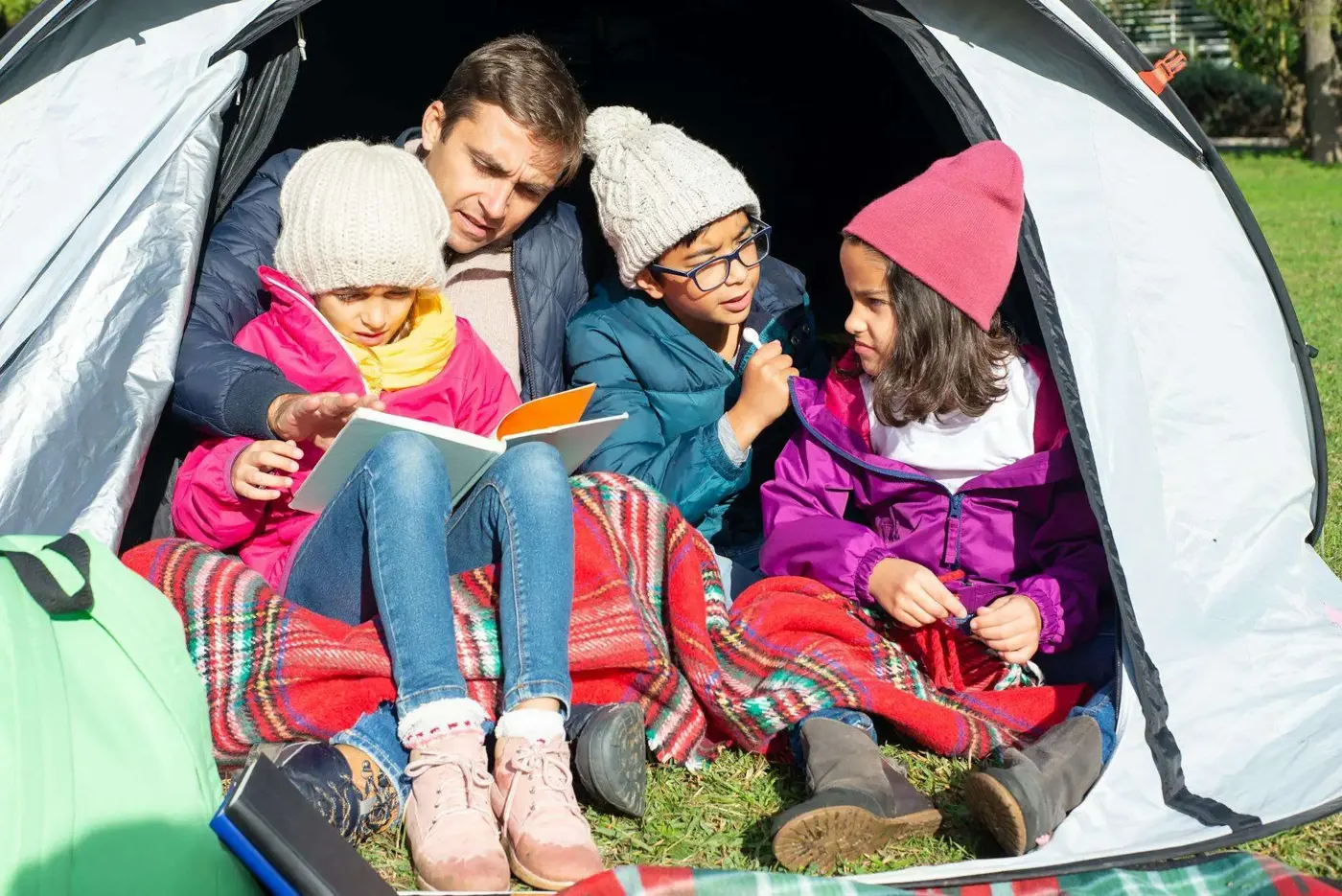
In today’s unpredictable world, having a comprehensive family emergency preparedness plan is not just prudent; it’s essential. Whether it’s natural disasters, medical emergencies, or unforeseen events, being prepared can make all the difference in ensuring the safety and well-being of your loved ones.
Here’s a step-by-step guide to creating a robust family emergency preparedness plan:
- Assess Potential Risks: Begin by identifying the potential risks and hazards that could affect your family based on your location, such as hurricanes, earthquakes, floods, wildfires, or even power outages. Understanding these risks will help you tailor your emergency plan accordingly.
- Create a Communication Plan: Establish a communication strategy to ensure everyone in your family knows how to reach each other during an emergency. Exchange contact information, including phone numbers, email addresses, and social media handles. Designate an out-of-area contact person whom family members can reach if local communication is disrupted.
- Develop an Evacuation Plan: Determine evacuation routes and safe meeting points both within your neighborhood and outside of it. Practice evacuation drills regularly, especially if you have young children, elderly family members, or individuals with disabilities. Make sure everyone knows how to evacuate safely and where to go in case of evacuation.
- Prepare an Emergency Kit: Assemble a well-stocked emergency kit containing essential supplies such as water, non-perishable food, medications, first aid supplies, flashlights, batteries, blankets, and important documents (IDs, insurance papers, etc.). Customize the kit based on your family’s specific needs, including items for infants, pets, or individuals with medical conditions.
- Account for Special Needs: Consider any special needs within your family, such as medical conditions, disabilities, or dietary restrictions. Ensure your emergency plan addresses these needs adequately, including provisions for necessary medications, medical equipment, or assistance devices.
- Stay Informed: Stay informed about potential emergencies or disasters by monitoring local news, weather alerts, and official government channels. Sign up for emergency alerts and notifications from relevant authorities to receive timely information and instructions during emergencies.
- Practice and Review: Regularly practice and review your emergency plan with your family to ensure everyone remembers what to do in various scenarios. Update the plan as needed based on changes in family dynamics, living situations, or new information about potential risks.
- Community Engagement: Engage with your community and neighbors to foster a sense of collective preparedness. Participate in community emergency preparedness initiatives, neighborhood watch programs, or local disaster drills to strengthen resilience and mutual support networks.
- Seek Professional Advice: Consider seeking professional advice or guidance from emergency management agencies, disaster preparedness organizations, or community resources. They can provide valuable insights, resources, and training to help you enhance your family’s preparedness efforts.
- Stay Calm and Flexible: In the event of an emergency, remain calm and adaptable. Follow your preparedness plan, prioritize safety, and be ready to make adjustments as needed based on the evolving situation.
By following these steps and taking proactive measures, you can create a family emergency preparedness plan that empowers your loved ones to effectively respond to and navigate through challenging situations. Remember, preparedness is key to resilience, and investing time and effort into planning today can make all the difference when it matters most.
Some common mistakes people make when developing their emergency preparedness plans include:
- Underestimating Risks: One common mistake is underestimating the potential risks or failing to consider all possible scenarios. To avoid this, conduct thorough research on the types of emergencies that could occur in your area and tailor your plan accordingly.
- Neglecting Communication: Lack of communication can hinder an emergency response. Ensure everyone in your family knows the plan and how to communicate during an emergency. Regularly review contact information and practice communication drills to keep everyone informed.
- Incomplete Emergency Kits: Building an emergency kit with missing or inadequate supplies can leave you unprepared during a crisis. Make a comprehensive list of essential items and regularly check and update your emergency kit to ensure it remains fully stocked and up to date.
- Ignoring Special Needs: Neglecting to account for special needs within your family, such as medical conditions or disabilities, can compromise safety during an emergency. Take time to address these needs in your preparedness plan by including necessary medications, equipment, or accommodations.
- Lack of Practice: Simply creating a plan without practicing it can lead to confusion and inefficiency during an actual emergency. Regularly conduct drills and exercises to familiarize everyone with the plan and ensure smooth execution when needed.
- Failure to Stay Informed: Not staying informed about potential emergencies or changes in your environment can result in delayed or inappropriate responses. Stay connected with local news, weather alerts, and official channels to receive timely information and updates.
- Overlooking Community Resources: Some people overlook the resources and support available within their community, such as emergency management agencies or neighborhood networks. Engage with these resources to enhance your preparedness efforts and leverage community support during emergencies.
To avoid these mistakes, it’s essential to approach emergency preparedness with thoroughness, regular review, and a proactive mindset. By addressing potential pitfalls and staying vigilant, you can ensure your family is well-prepared to face any emergency situation.
About the author

Justin Dean
Justin is the founder of GA Survival and loves helping people get prepared for any scenario life throws at us. He believes nothing is more important than protecting and providing for your family. When he's not writing survival tips, he can be found playing with goats and chickens and raising 4 little farmhands with his wife in North Georgia.
More about GA Survival