
How to Administer First Aid in an Emergency Situation
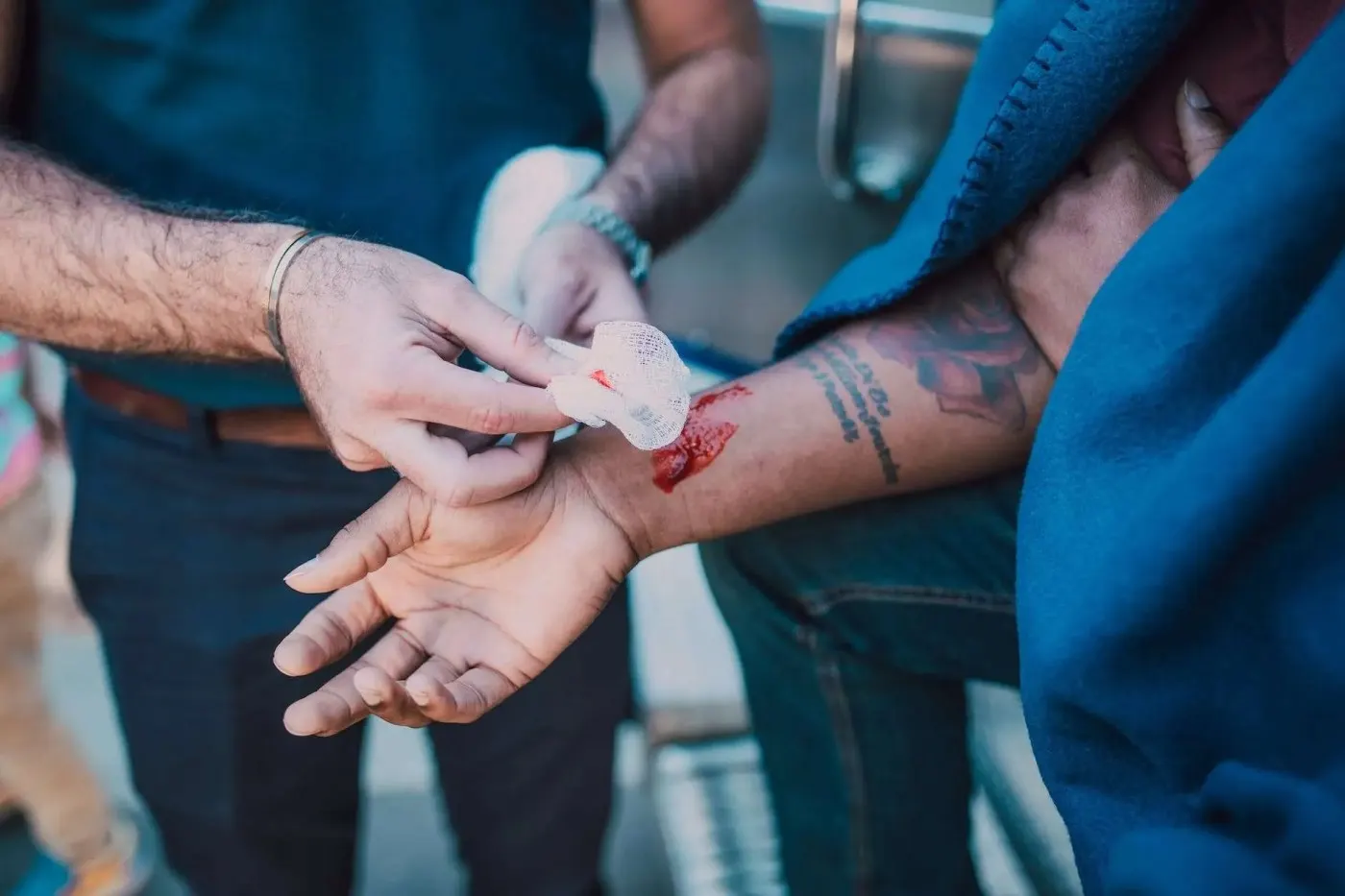
First aid is a critical skill that everyone should learn. It involves providing immediate assistance to an injured or ill person until medical help arrives. Administering first aid can be a daunting task, especially in an emergency situation where time is of the essence. However, with the right knowledge and tools, anyone can provide effective first aid. Your first step is to always have a first aid kit available in your home, car, at work, in your bug-out bag and in your every day carry bag. In this blog post, we’ll go over practical tips on how to administer first aid in an emergency situation.
Step 1: Assess the Situation
The first step in administering first aid is to assess the situation. Before rushing to provide aid, take a moment to evaluate the scene and ensure that it is safe for you and the victim. If the scene is not safe, do not attempt to provide aid until it is secure. If there is a potential hazard, such as fire or electricity, take appropriate measures to eliminate the danger before proceeding.
Step 2: Call for Help
Once you have assessed the situation and determined that it is safe, call for help. If you are in a public area, look for someone to call emergency services. Provide them with as much information as possible about the situation, including the location and nature of the injury or illness. Stay on the line until the operator tells you to hang up.
Step 3: Approach the Victim
Approach the victim calmly and introduce yourself. Explain that you are there to help and ask if they are okay with you providing assistance. If the person is unconscious, assume that they consent to treatment.
Step 4: Check the Airway, Breathing, and Circulation
Check the victim’s airway, breathing, and circulation (ABC) to determine if they need immediate medical attention. If the person is unconscious, place them in the recovery position to ensure that their airway remains clear. Look for signs of breathing, such as chest movement or sound. Check for a pulse by placing two fingers on the neck, just below the jawline. If there is no pulse, begin performing CPR immediately.
Step 5: Control Bleeding
If the victim is bleeding, apply pressure to the wound with a clean cloth or bandage. Elevate the affected area if possible, as this can help reduce blood flow. If bleeding does not stop, apply additional pressure and call for medical assistance.
Step 6: Treat for Shock
In cases of severe injury or trauma, the victim may go into shock. This can cause their blood pressure to drop, which can lead to organ failure. If you suspect that the person is going into shock, elevate their legs and cover them with a blanket. This can help improve blood flow and maintain body temperature.
Step 7: Provide Emotional Support
In addition to physical first aid, it is important to provide emotional support to the victim. Stay calm and reassuring, and let them know that help is on the way. Be sure to listen to the person and respond to their needs.
Step 8: Follow Up
After administering first aid, follow up with the victim to ensure that they are okay. If they were transported to a hospital, visit them if possible. If not, check in with them over the phone or via email. Providing ongoing support can help the person recover more quickly and can also help you process the experience.
Tips for Administering First Aid
In addition to the steps outlined above, there are several tips that can help you administer first aid more effectively:
- Stay Calm: It is important to stay calm and focused when administering first aid. This can help you think clearly and respond appropriately to the situation.
- Use Gloves: Wear gloves when providing first aid to avoid exposure to bodily fluids or other hazardous materials.
- Know Your Limits: It is important to know your limits and not attempt to provide aid beyond your level of training or expertise.
- Keep a First Aid Kit Handy: Keeping a well-stocked first aid kit at home, in your car, or at work can be essential in providing quick and effective first aid. Make sure to regularly check and restock the kit. Find the best survival first aid kits at GA Survival.
- Know Basic First Aid Techniques: Taking a first aid course can help you learn basic first aid techniques, such as how to perform CPR, treat burns, and stabilize fractures.
- Communicate Clearly: When calling for emergency services, be sure to communicate clearly and accurately. Provide as much information as possible about the situation, including your location and the nature of the injury or illness.
- Practice Good Hygiene: After providing first aid, practice good hygiene by washing your hands thoroughly with soap and water. This can help prevent the spread of germs and diseases.
- Stay Up to Date: Keep up to date with the latest first aid techniques and practices by attending regular training sessions and workshops.
Administering first aid in an emergency situation can be a life-saving skill. By following the steps outlined above and keeping these practical tips in mind, anyone can provide effective first aid. Remember to stay calm, assess the situation, call for help, and provide both physical and emotional support to the victim. With the right knowledge and tools, you can help save a life.
About the author

Justin Dean
Justin is the founder of GA Survival and loves helping people get prepared for any scenario life throws at us. He believes nothing is more important than protecting and providing for your family. When he's not writing survival tips, he can be found playing with goats and chickens and raising 4 little farmhands with his wife in North Georgia.
More about GA Survival