
20 Emergency Preparedness Tips
Emergency preparedness is crucial in ensuring the safety and survival of yourself and your loved ones during unexpected events such as natural disasters, power outages, or man-made crises. Being prepared can make all the difference in a crisis and can help you feel more confident and in control.
Here are some top survival tips for emergency preparedness:
- Create an emergency plan. This should include a designated meeting place for your family, a plan for communicating with one another, and an evacuation route. It’s important to practice your emergency plan so that everyone knows what to do in case of an emergency.
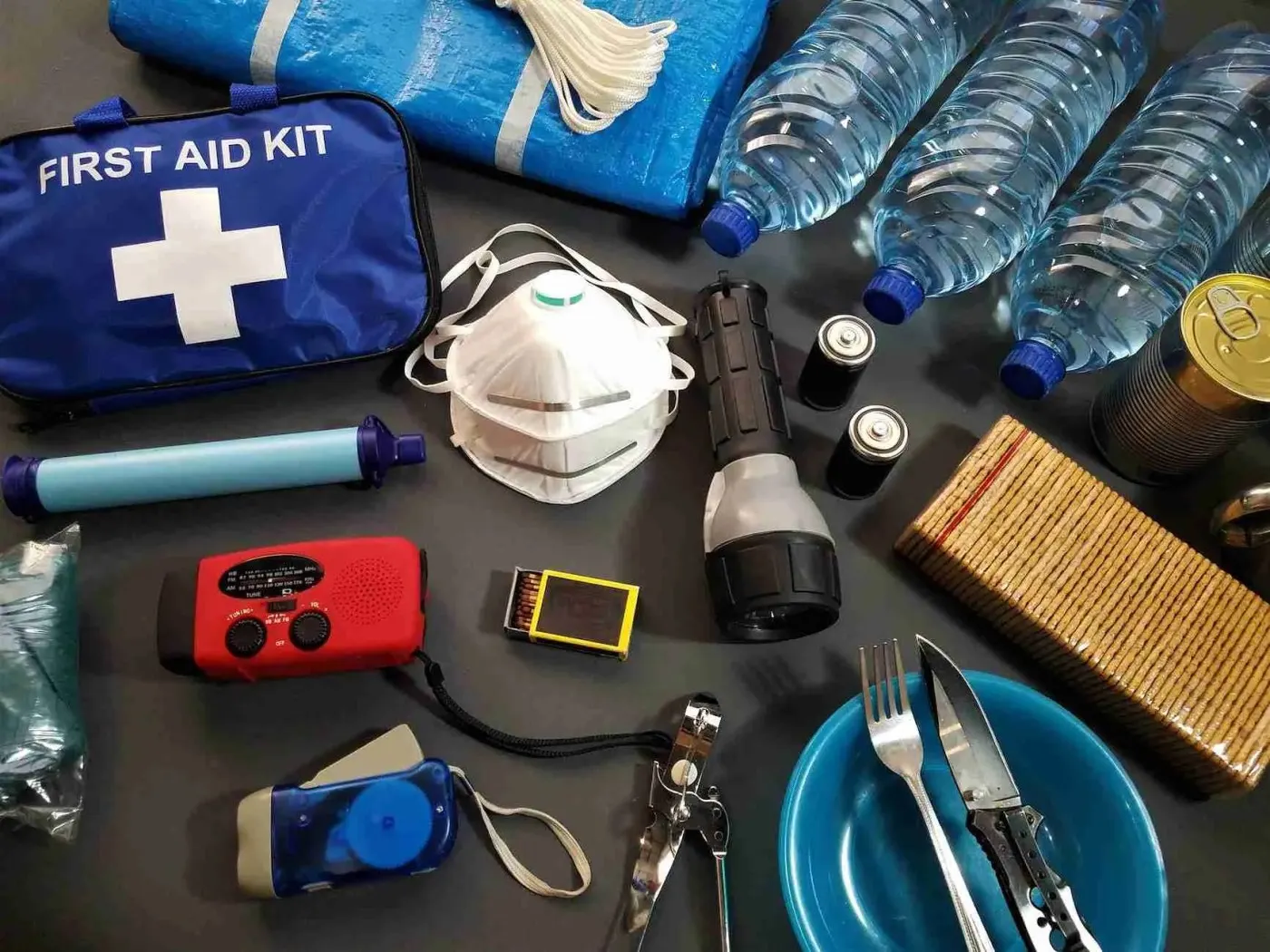
- Make an emergency kit. This should include essentials such as water, non-perishable food, a flashlight, a first aid kit, and a battery-powered radio. It’s also a good idea to include items such as cash, important documents, and any medications you or your family may need.
Find all of the emergency kit supplies you need at GASurvival.com - Stay informed. Stay up to date on the latest weather forecasts, and be aware of any potential hazards in your area. Listen to local news and emergency alerts, and know the location of the nearest emergency shelter.
- Be mindful of your surroundings. Be aware of the potential hazards in your area, such as flood zones or areas prone to landslides, and take steps to protect yourself and your property.
- Be self-sufficient. In an emergency, it’s important to be able to take care of yourself and your family. Learn basic first aid and CPR, and know how to use a fire extinguisher. It’s also a good idea to have a backup generator and other emergency supplies on hand in case of power outages.
- Stay calm. In an emergency, it’s important to stay calm and think clearly. Don’t panic, and take the time to assess the situation before making any decisions.
- Have a bug-out bag ready. A bug-out bag is a backpack filled with essential supplies that you can grab at a moment’s notice in case of an emergency evacuation. This can include things like food, water, shelter, clothing, and tools.
- Keep important documents in a safe place. It’s important to have important documents such as your ID, passport, birth certificate, and insurance documents easily accessible in case of an emergency. It’s also a good idea to make copies of these documents and store them safely.
- Learn how to use a map and compass. In the event of an emergency, GPS and cell phone service may not be available. Knowing how to navigate with a map and compass can be a lifesaver. Keep a paper map of your area in your bug-out bag or car.
- Be prepared for your pets. Make sure to have enough food and water for your pets, as well as a carrier or leash to take them with you in case of evacuation.
- Learn basic survival skills. Knowing how to start a fire, purify water, and find food can be crucial in an emergency situation. Take a survival course or learn from experienced outdoorsmen to gain these skills.
- Have a backup power source. In the event of a power outage, having a backup power source such as a solar charger or portable generator can be a lifesaver.
- Store extra fuel. In case of an emergency evacuation, it’s important to have extra fuel for your vehicle. Keep a few extra gallons stored in a safe place.
- Build a network of support. Build a network of friends, family, and neighbors who can help you in case of an emergency. This can include checking in on each other, sharing resources, and providing assistance during an evacuation.
- Have a plan for communication. In the event of an emergency, cell phone service may be disrupted. Have a backup plan for communication, such as a two-way radios or satellite phone.
- Learn how to improvise. In an emergency, you may have to make do with what you have on hand. Learn how to improvise and make use of the resources around you.
- Be mindful of your mental health. Emergencies can be stressful and traumatic. Be mindful of your mental health and take steps to take care of yourself.
- Be prepared for a long-term emergency. In some cases, an emergency may last for a prolonged period of time. Be prepared to be self-sufficient for at least a week or more.
- Have a plan for your vehicle. In case of an emergency, your vehicle may be your lifeline. Have a plan for your vehicles, such as a full tank of gas, extra supplies, and a communication device.
- Stay organized. In an emergency, it’s important to stay organized and keep track of important information, such as emergency contact numbers, meeting places, and evacuation routes. Keep a binder or notebook with this information, and ensure it’s easily accessible.
By following these tips, you can be better prepared for an emergency and increase your chances of survival. It’s important to remember that emergency preparedness is an ongoing process, and it’s important to regularly review and update your emergency plan and supplies. By being prepared, you can have peace of mind and feel more in control during a crisis.
To find survival gear and supplies for emergency preparedness, bug-out bags, safety, and camping, check out GASurvival.com.
About the author

Justin Dean
Justin is the founder of GA Survival and loves helping people get prepared for any scenario life throws at us. He believes nothing is more important than protecting and providing for your family. When he's not writing survival tips, he can be found playing with goats and chickens and raising 4 little farmhands with his wife in North Georgia.
More about GA Survival